Navigating Public Transport in Tokyo
Tokyo’s public transportation network is one of the most extensive and efficient in the world, comprising an intricate web of trains, subways, and buses that connect virtually every corner of the metropolis. For first-time visitors, the sheer scale of the system can seem overwhelming, but with a basic understanding of its structure and a few practical strategies, navigating Tokyo becomes a manageable and even enjoyable part of the travel experience. This guide provides an overview of the train and subway system, explores common ticket options, explains how to plan routes, and offers useful tips tailored to those unfamiliar with the city.
The information presented here is intended to help travelers make informed decisions by outlining the available choices and general processes. It does not endorse any specific product or service, and individual experiences may vary based on factors such as travel dates, personal preferences, and changing operational details. Readers are encouraged to verify current information through official sources before departure.
Overview of Tokyo’s Rail Network
Tokyo’s rail network is primarily composed of two major systems: the Japan Railways (JR) group, which includes the well-known Yamanote Line that loops around central Tokyo, and the two subway networks—Tokyo Metro and Toei Subway. In addition, numerous private railway companies operate lines that extend into the suburbs and neighboring prefectures, creating a seamless but sometimes complex web of connections. Understanding the distinction between these operators can help travelers choose the most efficient routes and ticket types.
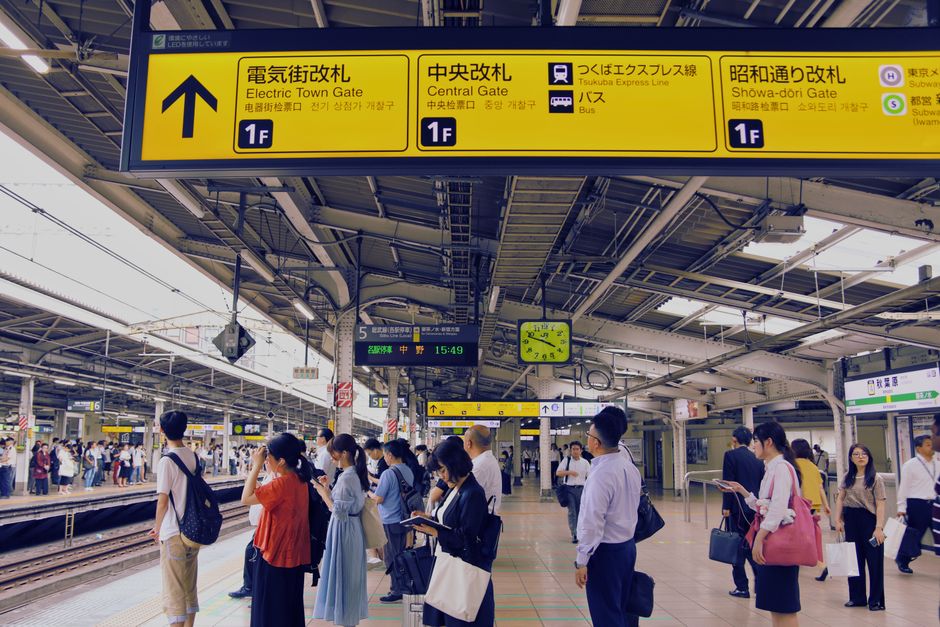
The JR lines are often the backbone for long-distance and cross-city travel, while the subway systems are denser in the city center and provide frequent stops. Private railways, such as Keio, Odakyu, and Tokyu, are useful for reaching areas outside the JR network. Most stations display signage in both Japanese and English, and many announce stops in English as well, which greatly assists international visitors. However, transfers between different operators may require separate tickets or a unified IC card, so it is helpful to know which companies operate the lines you plan to use.
Trains in Tokyo are known for their punctuality, with schedules that are generally adhered to within seconds. During peak hours, especially in the morning and evening, trains can be crowded, and some stations employ platform attendants to manage the flow of passengers. For first-time visitors, avoiding peak times when possible can make the experience more comfortable. Additionally, the network is color-coded and numbered, which simplifies navigation even for those who do not read Japanese.
Ticket Options and IC Cards
Tokyo offers a variety of ticket choices, ranging from single-ride tickets to unlimited passes and stored-value IC cards. Single tickets can be purchased from vending machines at each station, with fares typically determined by distance traveled. These machines usually have English language options and accept cash and, increasingly, credit cards. However, buying a ticket for each leg of a journey can be time-consuming, especially when transferring between different operators.
For most visitors, an IC card such as Suica or Pasmo is the most convenient option. These rechargeable cards can be used on trains, subways, and buses throughout the Tokyo metropolitan area, as well as in many other regions of Japan. They eliminate the need to calculate fares for each trip; instead, the correct amount is deducted automatically at the ticket gates. IC cards can be purchased at major stations and airports, and they require a small deposit that is refundable when the card is returned. Mobile versions of Suica and Pasmo are also available for smartphones, allowing users to tap their devices directly at the gates.
In addition to IC cards, there are special passes designed for tourists, such as the Tokyo Subway Ticket, which provides unlimited rides on Tokyo Metro and Toei Subway lines for 24, 48, or 72 hours. The Japan Rail Pass is another popular option for those planning to travel extensively across the country, including on JR lines within Tokyo. It is important to note that these passes have specific validity rules and may not cover all operators, so travelers should assess their itinerary before purchasing. Discounted fares are also available for children, and some passes offer combined access to attractions, though these are subject to change and should be verified.
When using IC cards, it is advisable to maintain a sufficient balance to avoid being unable to exit a station. Recharging is straightforward at ticket machines or convenience stores. For those who prefer a physical ticket, day passes for specific subway lines or bus networks can be a cost-effective choice for heavy travel days. Overall, the key is to match the ticket type to the expected travel pattern and to remain flexible as options evolve.
Planning Your Route
Effective route planning in Tokyo involves a few simple steps. First, identify your starting point and destination using station names, which are often written in both Japanese and Roman characters. Second, determine which lines and operators will get you there most efficiently. Third, decide on the appropriate ticket or IC card for your journey. Several online tools and mobile apps can assist with this process, providing real-time information on train schedules, transfer points, and fares. Some apps also indicate which car is best for a quick transfer or exit at a particular station.
When planning, consider the number of transfers required. While Tokyo’s network is well-connected, minimizing transfers can reduce travel time and confusion, especially if you are carrying luggage or traveling with children. The Yamanote Line, for instance, is a convenient circular route that connects many major hubs like Shinjuku, Shibuya, and Tokyo Station. For destinations not on this loop, you may need to switch to a subway or private line. Station maps and digital signage are abundant, and station staff are generally helpful if you need assistance.
It is also useful to note that some stations are vast and can involve long walking distances between platforms. Allowing extra time for transfers, particularly at complex stations like Shinjuku or Tokyo, can prevent stress. Additionally, some trains offer rapid or express services that skip certain stops, so checking the train type before boarding is important. In general, a little pre-planning goes a long way in making your journeys smooth.
Practical Tips for First-Time Visitors
For those new to Tokyo’s public transport, a few practical tips can enhance the experience. Always keep your IC card or ticket handy when approaching ticket gates, and be mindful of the flow of other passengers. During rush hours, it is customary to queue in designated areas and let passengers exit before boarding. Speaking quietly on trains is appreciated, and phone conversations are generally avoided. Eating and drinking are permitted on long-distance trains but discouraged on commuter lines.
Station layouts can be intricate, but the extensive use of pictograms and color-coded signs makes navigation easier. If you get lost, don’t hesitate to ask station staff or use information counters; many speak some English and can provide maps. It is also wise to have a portable Wi-Fi device or a data SIM card to access route-planning apps on the go. Furthermore, note that some stations have multiple exits, each leading to different areas, so checking the exit number for your destination can save time.
Lastly, consider the time of day and weather conditions. Tokyo’s trains run from early morning until around midnight, but services may be less frequent late at night. Taxis are available but can be expensive. For those with mobility needs, most stations have elevators and escalators, though older stations may have limited accessibility. Planning ahead and remaining patient will contribute to a smoother journey.
Understanding Fares and Payments
Fares on Tokyo’s trains and subways are typically based on distance, with base fares starting around 140 yen for JR lines and 170 yen for subways. Children under six usually ride free, while those aged six to eleven pay half fare. IC cards automatically calculate the correct fare, but if you purchase a paper ticket, you may need to use fare adjustment machines before exiting if your destination exceeds the fare paid. These machines are located near the ticket gates and are easy to use.
Payment methods have become more diverse in recent years. While cash is still accepted at ticket machines, many now accept major credit cards and mobile payment platforms. However, some smaller private railways may remain cash-only, so carrying some yen is advisable. It is also possible to purchase commuter passes for longer stays, but these require registration and may not be practical for short-term visitors. For tourists, the most straightforward approach is to rely on IC cards or tourist-specific passes.
In summary, Tokyo’s public transport system is comprehensive and user-friendly once you grasp the basics. By understanding the network, selecting the right ticket, planning routes, and following a few etiquette guidelines, first-time visitors can navigate the city with confidence. The system’s efficiency and punctuality make it an excellent way to explore Tokyo and beyond, turning what might initially seem daunting into a convenient and integral part of the travel experience.